

Meet Gus the Gopher Tortoise
Helping kids learn how nuclear energy and nature work together.
Who is Gus?
Gus the Gopher Tortoise is a friendly ambassador who helps teach kids about clean energy, nature, and caring for the environment. He loves digging burrows, exploring sandy habitats and helping young learners discover how electricity is made – right here near Plant Hatch!
Gus makes big ideas easy to understand for little learners.
Why is Gus important?
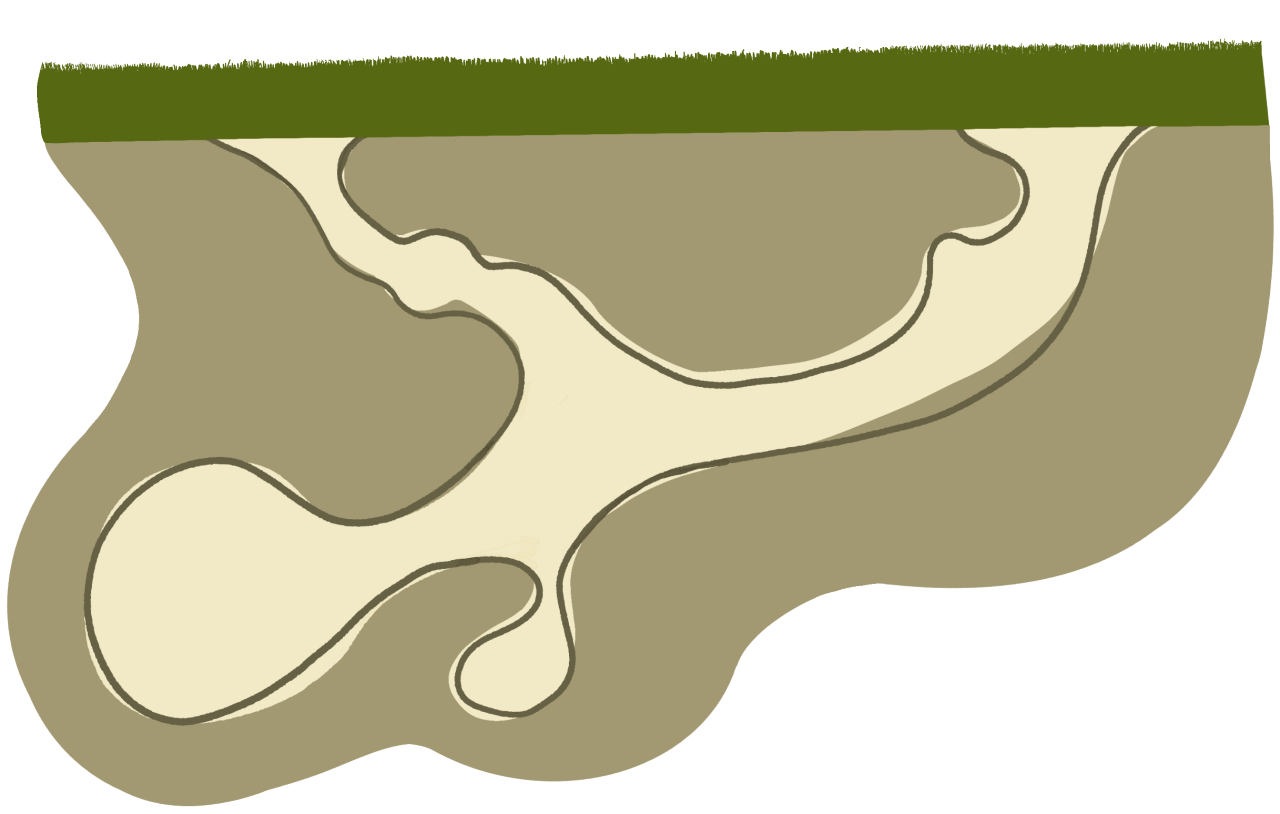
Gopher tortoises are something called a keystone species. That means they help lots of other animals survive. Their underground burrows give shelter to hundreds of other animals.
So, when we protect gopher tortoises, we help protect many kinds of wildlife and keep nature in balance.
We protect gopher tortoises and other native plants and animals around our plants with thoughtful environmental planning, such as annual surveys, prescribed burns and more.
Dig Into Big Ideas!
⚡️ Nuclear Energy
Nuclear energy is a clean way to make electricity that powers homes, schools and hospitals every day. Here’s how it works—step by step!
⚛️ Tiny Atoms, Big Power
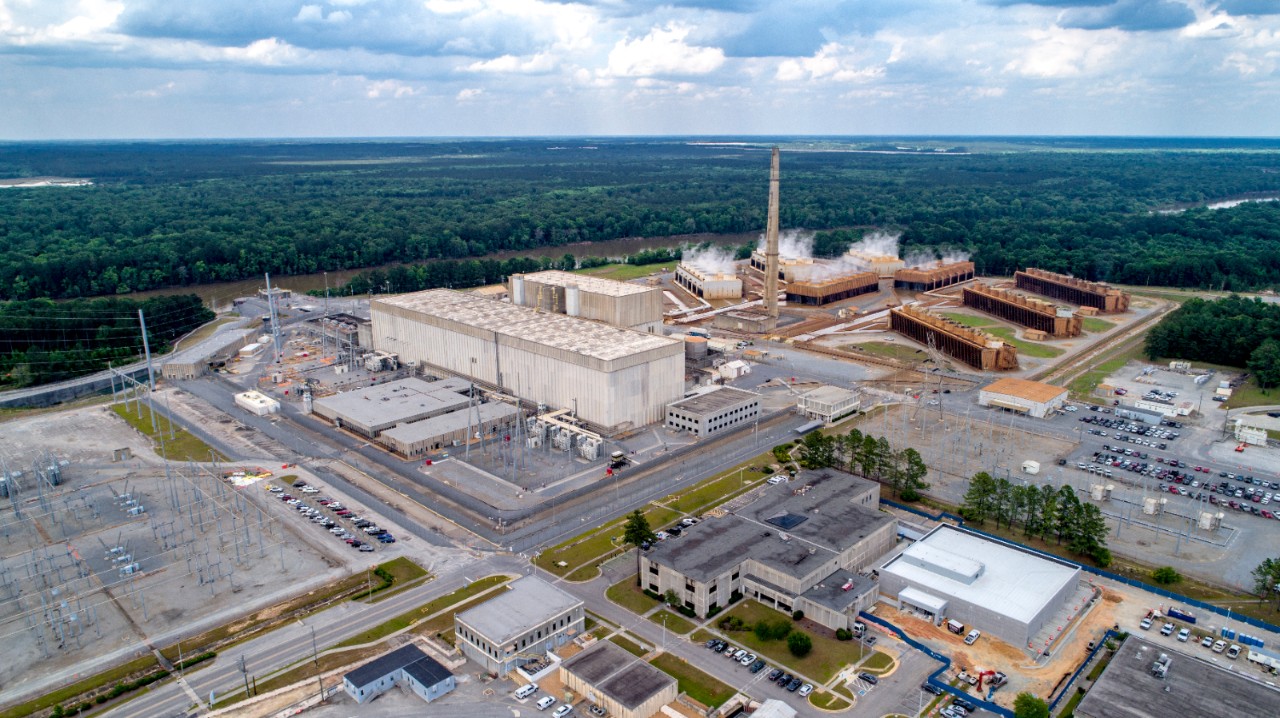
Everything around us is made of tiny building blocks called atoms. Inside a nuclear power plant, we use special fuel made from uranium. When uranium atoms are split apart, in a process called fission, they release heat.
🚿 From Heat to Electricity
That heat warms water and turns it into steam.
The steam spins giant blades called turbines, and those turbines spin a generator—that’s what makes electricity!
♻️ Clean, Safe and Reliable
Nuclear plants do not burn fuel or create smoke. That means they produce electricity and keep our air clean.
💡 Powering Communities
Nuclear plants can run day and night, rain or shine. That steady power helps keep the lights on for millions of families and supports schools, businesses and communities.
🌱 Environment
Nuclear energy helps protect the planet while powering our lives.
⚡️ Energy for Today and Tomorrow
Because nuclear plants can operate for many decades, they provide long‑term, reliable electricity while helping reduce the impact on the environment for future generations.
🌍 A Small Footprint
Nuclear plants produce a lot of electricity from a small amount of fuel, using less land than many other energy sources. This helps protect natural spaces for people, plants and animals.
♻️ Using Resources Wisely
Water used to make electricity is carefully managed and reused as part of the process. Different water systems are kept separate to protect the environment.
🐟 Wildlife
Nuclear plants don’t just power communities — they also share space with nature.
🌳 A Home for Plants and Animals
Many nuclear plant sites include large areas of land with forests, wetlands and open spaces. These natural areas give animals places to live, grow and raise their young.
🦉 Certified Wildlife Habitats
Some nuclear plant sites are recognized as certified wildlife habitats. This means the land is managed to support birds, insects and other animals that depend on healthy ecosystems.
🌼 Protecting Nature Every Day
Plant teams work carefully to protect nearby land and water while producing electricity. Caring for the environment is part of being a good neighbor to both people and wildlife.
🌎 Powering People — Respecting Nature
By producing clean energy on a small footprint, nuclear plants help preserve more natural spaces for animals now and in the future.

Gus Cam
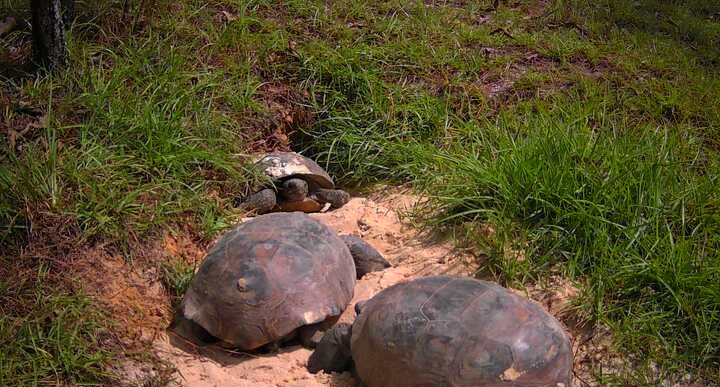
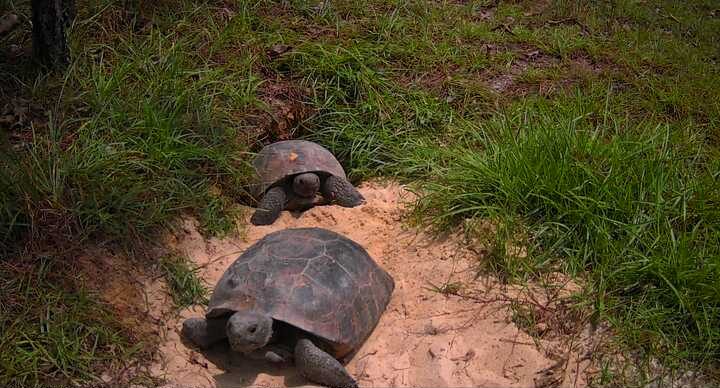
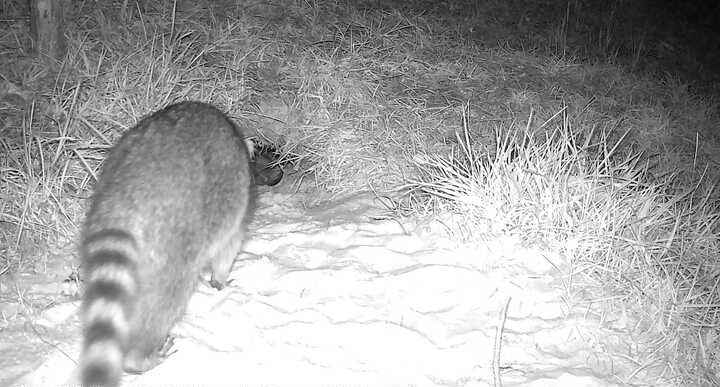
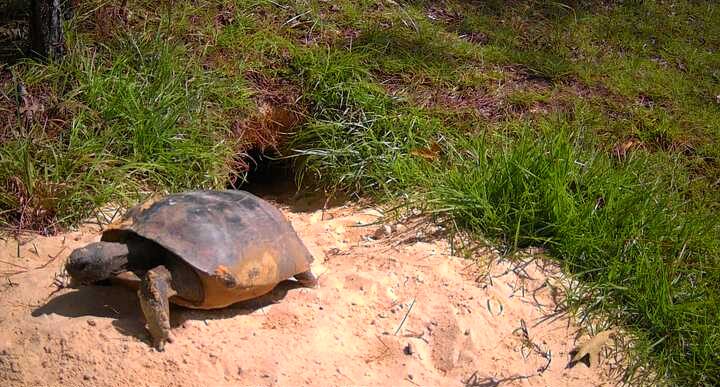
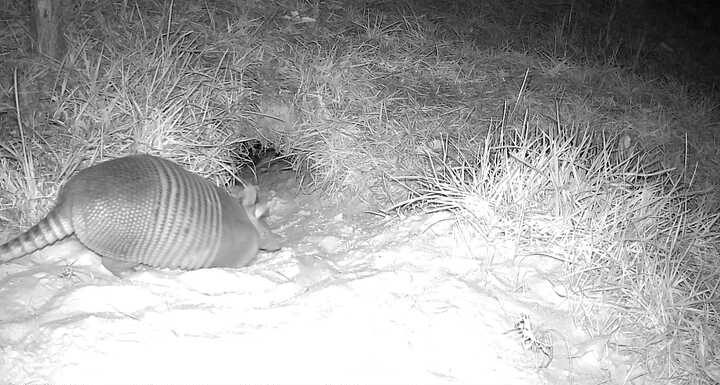
- Gus digging his burrow.
- Gus peaking out to check the weather.
- Gus's friends passing by to say hello.
- Gus outside his burrow.
- Gus walking into his burrow.
⚡ Nuclear Fast Facts
- Nuclear energy makes electricity without smoke or air pollution.
- Nuclear plants can run day and night, rain or shine.
- A tiny fuel pellet can make a lot of energy.
- Water systems in nuclear plants are separate and protected.
- Safety is the top priority, with multiple layers of protection.
🐢 Gus Slow Facts
- Gopher tortoises dig deep burrows that give shelter to many other animals. That’s why they’re called a keystone species.
- One gopher tortoise burrow can help dozens of different animals, like frogs, snakes and insects, stay safe.
- Gopher tortoises like open, sunny land, which is why they like the longleaf pine trees that thrive around Plant Hatch.
- Our environmental teams survey and protect gopher tortoises to help them thrive for the future.

/plant-hatch-icon-new.png.imgw.1280.1280.png)
Learn More About Plant Hatch